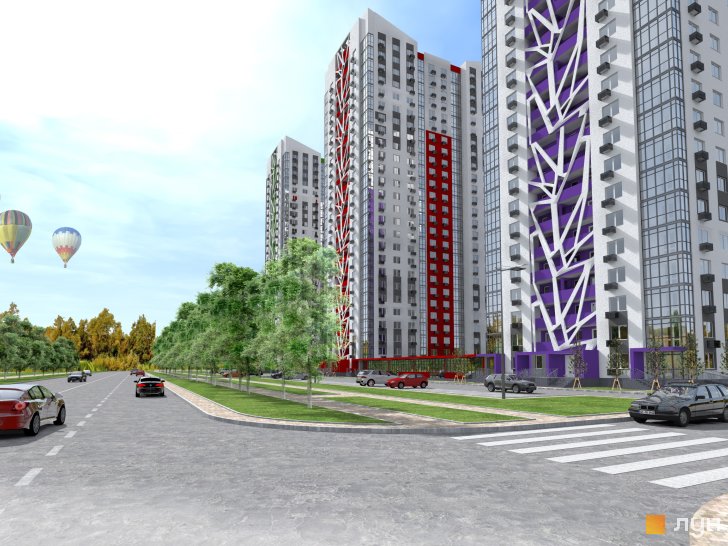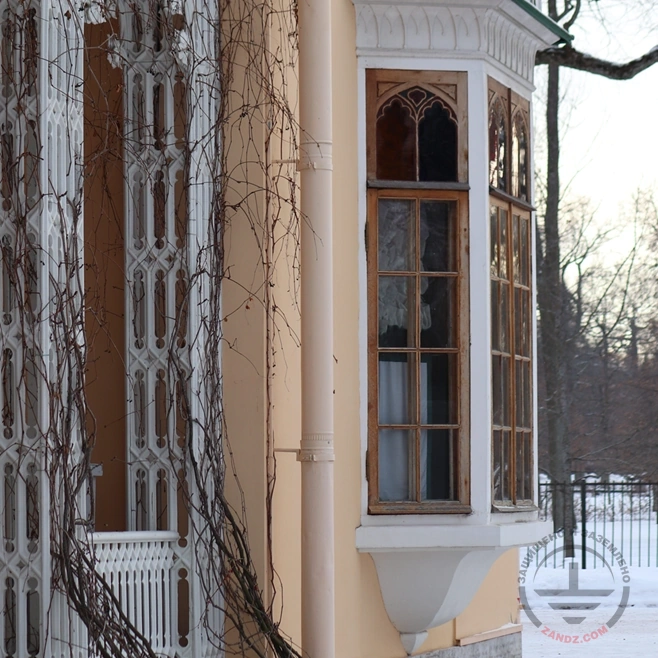

Modern buildings amaze with their forms, scale, and level of technological sophistication. Complex geometry, glass facades, lightweight composite materials, and unconventional layout solutions have become the norm thanks to tools like BIM design, the development of CAD systems, and a wide range of construction solutions.
Yet, behind this elegance and well-thought-out functionality, engineering vulnerabilities can hide. One such often underestimated aspect is lightning protection. Even in high-level projects, difficulties with the lightning protection system (LPS) are common. This often becomes apparent only in the final design stages or, worse, already on the construction site when the building is partially erected.
When Regulations Clash with Architecture
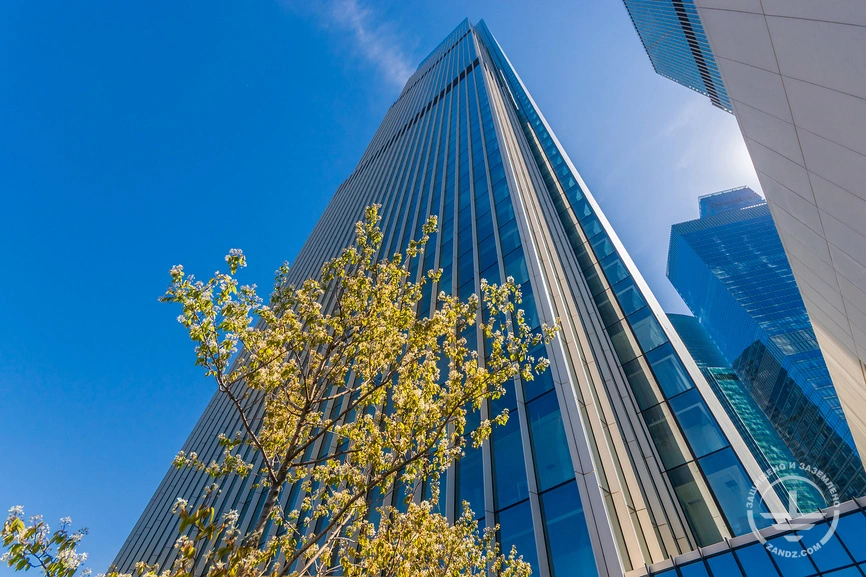
Regulatory documents governing lightning protection (in particular, RD 34.21.122-87 and SO 153-34.21.122-2003) contain specific requirements for the location and installation of down conductors. However, not every architectural solution allows these requirements to be met.
Consider a typical example: a warehouse or terminal with a facade made of glass sections. In such buildings, it is often impossible to maintain the recommended spacing for down conductors (25 m for Category II and III) while also complying with the regulatory distances from doors and windows (at least 3 m). Sometimes the entire facade plane is occupied by glazing, and the distance from a door to a window is less than a meter. As a result, there is no physically viable space for the safe placement of a down conductor.
In some cases, a solution may be to use metal structural elements of the facade as down conductors—for example, aluminum frames of insulating glass units. This approach was discussed in detail by Professor E. M. Bazelyan in the webinar "Peculiarities of Lightning Protection for High-Rise Structures". Such approaches are possible but require design analysis and technical justification. This is not a universal solution.
Materials: New Opportunities and New Limitations
Materials actively used in modern construction open wide possibilities for architects but often raise questions about compatibility with lightning protection elements. For instance, membrane roofs, used in large-area buildings, are not always able to withstand the point load from concrete foundations for interception rods. The weight of one such base can reach several tens of kilograms, which risks damaging the waterproofing layer. Designers are forced to find workarounds: providing load-distributing substrates or using lightweight structures.
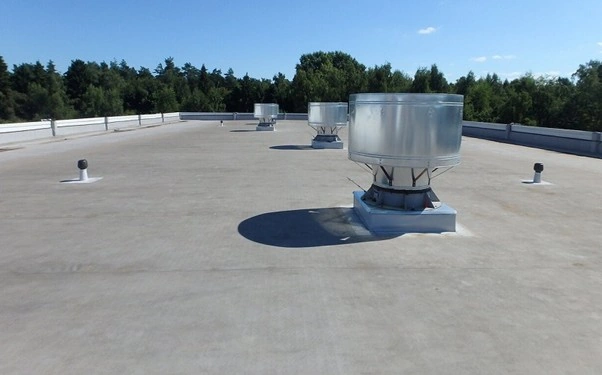
Designers face similar difficulties when mounting LPSs on facade panels. Plastic or thin metal panels are not designed for the installation of heavy brackets with anchors. If there is no column or other load-bearing element nearby, reliable fastening is impossible. Tall interception rods requiring fastening with a wide base ("feet") are also not applicable under such conditions without structural modifications.
What to Do About It?
It cannot be said that modern buildings are designed "incorrectly". But lightning protection in them often becomes a forced compromise. This is a consequence of the fact that safety requirements are not always incorporated at the level of the architectural concept.
The optimal approach would be to consider lightning protection requirements at early stages—during the development of structural and architectural solutions. Ideally, architecture and lightning protection should "find a compromise" before the drawings are finalized.
Conclusion
The design of buildings, especially complex and non-standard ones, requires a balance between aesthetics, functionality, and safety. Lightning protection is not an external add-on but an engineering system on which the safe operation of a facility depends.
Foresight in design is the key to ensuring that a building is not only beautiful, functional, and convenient but also safe in the full sense of the word.
Contact the ZANDZ Technical Center for a design solution at any stage of design and construction! We will help create an aesthetic and effective lightning protection system for your modern building!
Related Articles: